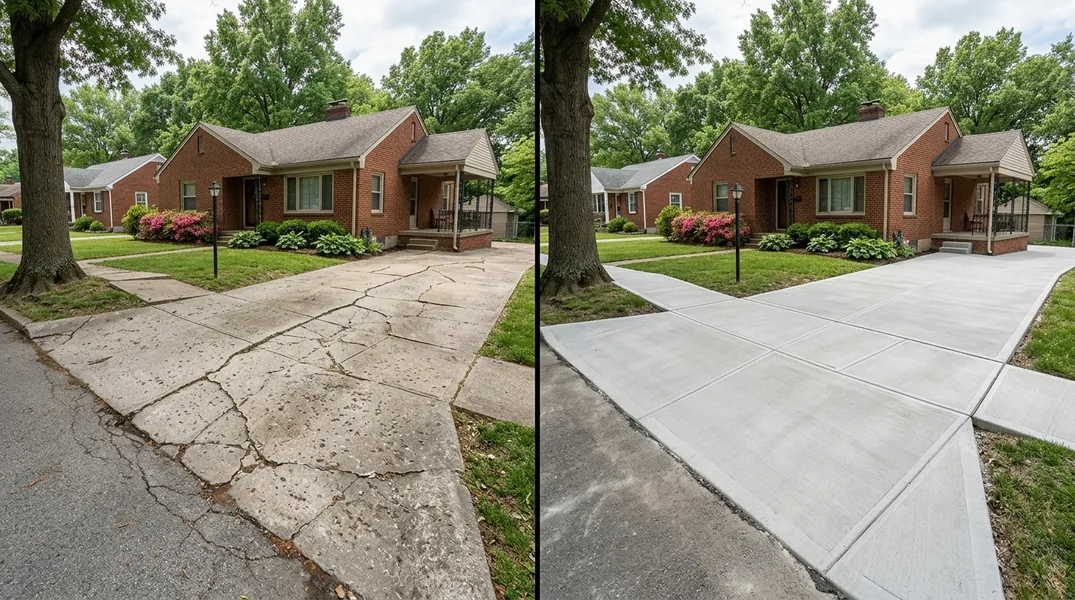
Why Timing Matters for Concrete Pouring in Kentucky
If you're planning a Concrete Driveways project in Louisville, you might think concrete can be poured any time of year. The reality is far more nuanced. The season you choose to pour concrete directly impacts how well your finished surface cures, how long it lasts, and whether you'll face costly repairs down the road. Kentucky's climate presents unique challenges that homeowners often overlook when planning their projects.
Temperature and moisture are the two biggest factors controlling concrete curing. When concrete is freshly poured, it needs to cure properly to achieve its full strength and durability. If temperatures drop too quickly or if the concrete freezes before it reaches adequate strength, the material can suffer permanent damage. This is especially true in Louisville, where winter weather can be unpredictable and spring can bring heavy rainfall. Understanding the concrete pouring season in Louisville means protecting your investment and ensuring your driveway, patio, or other concrete surface performs beautifully for decades.
Spring and Early Summer: The Ideal Window for Concrete Pouring
Late April through June represents the sweet spot for concrete work in Kentucky. During these months, daytime temperatures typically range from 60 to 80 degrees Fahrenheit, which is ideal for concrete curing. The soil has warmed up from winter, and the risk of unexpected freezes has largely passed. Spring weather also tends to be more stable than fall, giving contractors and homeowners predictability. When you pour concrete during this window, you're allowing the material to cure slowly and evenly, which actually strengthens it. Rapid curing can trap moisture and create weak points, but the moderate temperatures of spring prevent this problem.
Early summer extends this advantage even further. July and early August maintain warm, consistent temperatures that promote optimal curing. If you're planning Concrete Patios or other decorative projects, summer is particularly appealing because you'll have long daylight hours for the work and minimal risk of weather interruptions. The key is to schedule your project before mid-August, as late summer can bring intense heat that may require special curing techniques to prevent surface cracking.
Fall Pouring: Proceed with Caution in Kentucky
Autumn can seem like a logical time to pour concrete in Louisville. The extreme heat of summer has passed, and temperatures are comfortable. However, fall is deceptively risky for concrete work in Kentucky. The problem isn't the pleasant September weather; it's what comes after. As October and November approach, nighttime temperatures drop steadily, and the risk of frost increases dramatically. If you pour concrete in late September or early October, you're gambling with freeze-thaw cycles. Concrete needs at least 7 days of temperatures above 50 degrees Fahrenheit to reach sufficient strength. Once it's cured, it can handle freezing. But if an early frost arrives before your concrete has fully hardened, the freeze-thaw process can cause scaling, cracking, and structural damage that may require Concrete Repair & Resurfacing within just a few years.
The unpredictability of Kentucky's fall weather makes it especially problematic. You might have a warm October followed by a sudden cold snap in November. Even experienced contractors hesitate to guarantee concrete poured in fall because they can't control what Mother Nature delivers. If you absolutely must pour concrete in autumn, plan for early September only, and work with a Louisville concrete contractor who understands local weather patterns and can implement protective measures like insulated blankets and curing compounds.
Winter: Why You Should Avoid Pouring Concrete in Louisville
Winter is the worst time to pour concrete in Kentucky, and yet some homeowners attempt it, often with disappointing results. Between December and March, temperatures frequently dip below 50 degrees Fahrenheit, and freezing is common. Concrete simply cannot cure properly in these conditions. When concrete is exposed to freezing temperatures before it reaches adequate strength, the water inside the material expands as it freezes. This expansion creates internal stress that leads to cracking, spalling, and surface deterioration. Even if you use heated enclosures and specialized curing compounds, winter pouring is expensive and risky. The cost of protective measures often exceeds the savings you might gain from off-season pricing.
Additionally, winter precipitation in Louisville brings rain, sleet, and snow that can interfere with the pouring process itself. Moisture on the subgrade can affect how the concrete bonds and cures. If you're already committed to a winter project due to scheduling constraints, consult with a professional Louisville concrete contractor about alternative solutions. They might recommend waiting until spring or using specialized techniques designed for cold-weather work. The freeze-thaw cycle that defines Kentucky winters is simply incompatible with standard concrete curing requirements.
Understanding Concrete Curing and Freeze-Thaw Damage
To make an informed decision about when to pour concrete in Kentucky, you need to understand what happens during the curing process and why freeze-thaw cycles are so damaging. Concrete doesn't dry like paint; it cures through a chemical process called hydration. During the first week, concrete reaches about 70 percent of its final strength. By 28 days, it's typically at full strength. However, this curing process requires stable conditions. If the concrete freezes while it's still weak, the water inside the material turns to ice, expanding and creating hairline cracks that grow over time. Once these cracks form, water seeps in during spring thaw, freezes again in winter, and the cycle repeats. This freeze-thaw damage is progressive and extremely difficult to repair without replacing the entire slab.
This is why timing your concrete project around Kentucky's climate is so critical. When you pour during late spring or early summer, the concrete has months to cure fully before winter arrives. By the time freeze-thaw cycles begin, your concrete is strong enough to resist them. The material can expand and contract slightly without cracking. This is why professional contractors and concrete specialists in Louisville almost universally recommend spring through early summer for new concrete work. It's not just a preference; it's a science-backed best practice that protects your investment.
Getting Your Free Estimate: Schedule Your Concrete Project for Success
Now that you understand the best time of year to pour concrete in Kentucky, the next step is planning your specific project. Whether you're interested in Stamped & Decorative Concrete for your patio, a new driveway, or any other concrete work, timing and professional expertise go hand in hand. Louisville Concrete has been serving homeowners throughout the Louisville area with reliable, high-quality concrete services. Our team understands the unique climate challenges of Kentucky and plans every project accordingly.
If you're ready to move forward with your concrete project, contact Louisville Concrete today at (502) 709-6131 to discuss your vision and get a free estimate. We'll help you understand the best timing for your specific project, walk you through the process, and answer any questions about concrete curing, freeze-thaw protection, and long-term durability. Don't let uncertainty about seasonal timing delay your project any longer. Call us today, and let's get your concrete work scheduled for success.
Looking for a professional tree service in Louisville? Louisville Concrete responds fast for all your concrete needs.
Get a Free QuoteOur services: Concrete Driveways · Concrete Patios · Stamped & Decorative Concrete